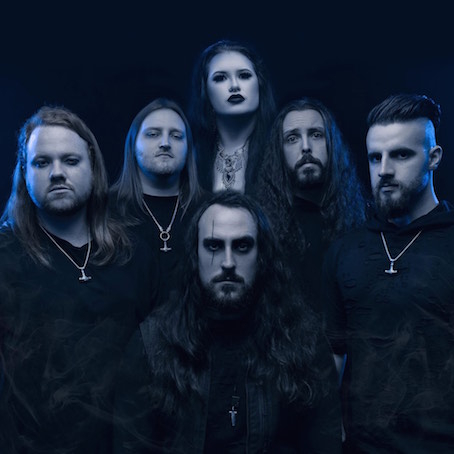
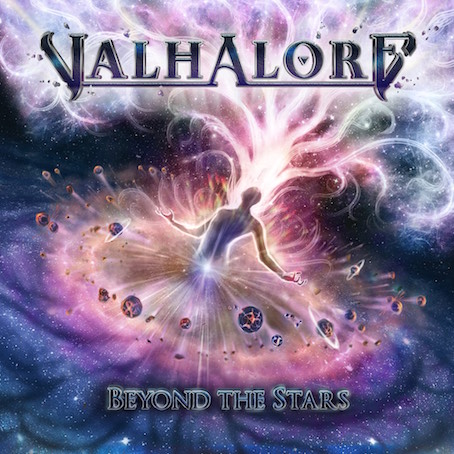
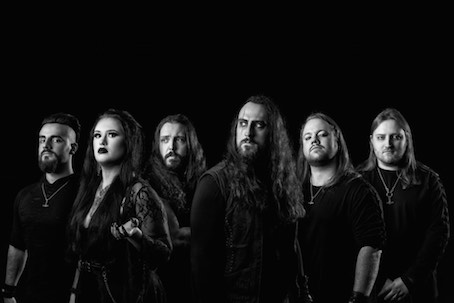
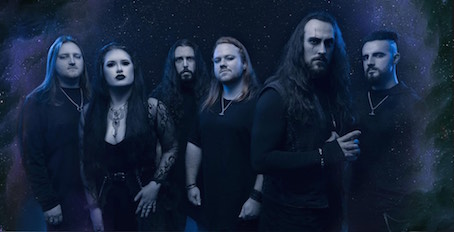
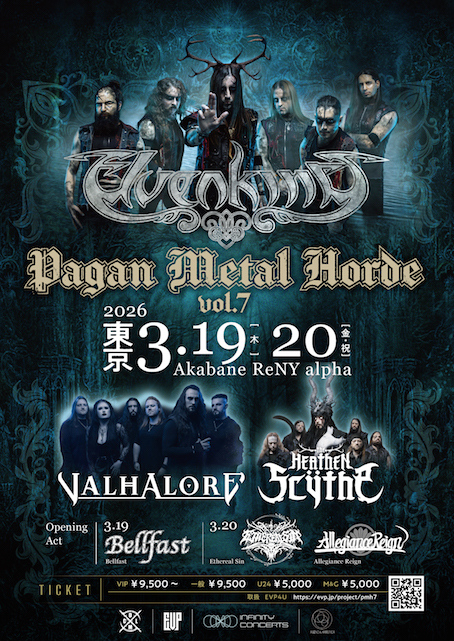
EXCLUSIVE: INTERVIEW WITH LACHLAN NEATE OF VALHALORE !!
“Our goal has always been to deliver what we refer to as “The Three E’s” – Escapism, Empowerment and Entertainment. We want our music, and our live shows, to give listeners the opportunity to escape their troubles for an hour or two. We want to leave the world a more positive place than when we found it.”
Q1: First of all, what kind of music did you grow up listening to?
【LACHLAN】: Like most kids, I grew up listening to the music my parents listened to on our long road trips around Australia. I grew up on ABBA, The Beatles, Bee Gees, Beach Boys, Eagles. This is where my love for vocal writing and arranging came from.
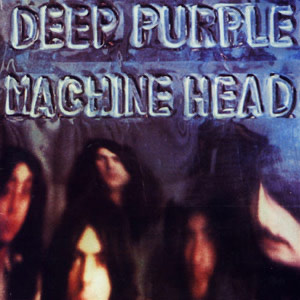
Then as I got older, I moved towards Led Zeppelin, Deep Purple, KISS and Black Sabbath. Since then, I dove deeper and deeper into heavier music, staring at punk, now all the way to extreme metal.
Q1: 本誌初登場です!まずは、あなたの音楽的なバックグラウンドからお話ししていただけますか?
【LACHLAN】: 他のキッズと同じように、僕は両親がこの広いオーストラリアを車で旅行するときに聴いていた音楽を聴いて育ったんだ。ABBA, THE BEATLES, THE BEACH BOYS, THE EAGLES…ヴォーカルのライティングやアレンジへの思いは、ここから生まれたんだ。
それから歳をとるにつれて、僕の興味は LED ZEPPELIN, DEEP PURPLE, KISS, BLACK SABBATH へと移っていった。それ以降、パンクから始まり、今ではエクストリーム・メタルまで、よりヘヴィーな音楽へとどんどん深みにはまっていったんだ。
Q2: Australia is now famous for prog metal like Karnivool and Caligula’s Horse, but what made you decide to do European-style symphonic folk metal?
【LACHLAN】: Simply, there wasn’t a lot of the “European” sounding bands in Australia, so we wanted to write and perform the music that we wanted to listen to and see over here! That said, we love the Aussie prog scene, particularly our friends Caligula’s Horse and Voyager.
Q3: However, your music transcends various genres, and that’s what’s really great about it! Power metal, folk metal, melodeath… In a way, you represent a diverse range of modern metal, would you agree?
【LACHLAN】: We never have tried to put ourself into one musical “box”. The six of us all listen to a wide variety of different music from Jazz to classical to metal, so I think our individual influences all shine through in our music. We’ve never tried to be “the next” anyone, just “the first” Valhalore.
Q4: Valhalore has great, well-crafted lyrics, but “Beyond the Stars” stays away from the folk-metal-esque historical fantasy, right? Why is that?
【LACHLAN】: For Beyond The Stars, I wanted to create a lyrical universe that was more about the human experience, rather than a “story” narrative. I wanted the lyrics to be more raw and emotional, something that people would latch onto and be able to relate to in their own lives.
Q4: VALHALORE は練り込まれた歌詞も素晴らしいのですが、”Beyond the Stars” はフォーク・メタル的な歴史ファンタジーから遠ざかっていますよね?
【LACHLAN】: “Beyond the Stars” では、”ストーリー” 的な物語というよりも、人間的な経験についての歌詞の世界を作りたかった。 歌詞は一般的なフォーク・メタルのファンタジーよりももっと生々しく、感情的で、人々が自分の人生において共感できるようなものにしたかったんだ。
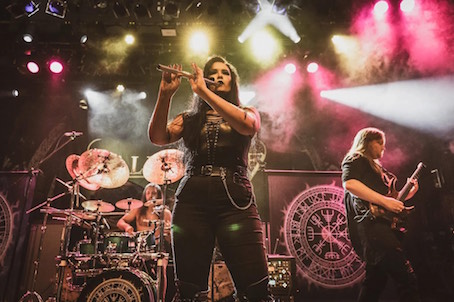
Q5: The ethnic instruments played by Sophie are a great addition to the album and one of the faces of the band. Can you tell us about the advantages and difficulties of incorporating such ethnic instruments into metal?
【LACHLAN】: When Anthony wrote the first album (Voyage Into Eternity) he was just writing music for his own enjoyment and that he wanted to write, never planning for it to become a band. As we’ve progressed, Sophie’s whistle and woodwind instruments have become an iconic aspect of our sound. The challenge mainly comes for our live sound engineer, having to mix a gentle acoustic instrument against the ferocity of a metal band!
Q5: Sophie が演奏する民族楽器は、アルバムに素晴らしいアクセントを加え、バンドの顔の一つとなっていますね。民族楽器をメタルに取り入れることの利点と難しさについて教えていただけますか?
【LACHLAN】: Anthony が最初のアルバム( “Voyage Into Eternity” )を書いたときは、ただ自分が楽しみたい、自分が書きたい音楽を書いていただけで、それがバンドになるとは考えていなかった。だけど僕たちが進歩するにつれて、Sophie のホイッスルと木管楽器は僕たちのサウンドの象徴的な側面になったんだ。
ただ、大変なのは主にライブのサウンド・エンジニアかな。メタル・バンドの獰猛さに対して、穏やかなアコースティック楽器をミックスしなければならないからね!
Q6: Anna Murphy is one of the pioneers in bringing ethnic instruments into the metal world, why did you have her as a guest?
【LACHLAN】: We have all been longtime fans of Eluveitie, and subsequently Anna’s other projects. We love her work as a vocalist and as a musician, so having her as a guest on this album was really a dream come true. Her haunting vocal quality was perfect for the feel of Heart of the Sea, so she was a natural choice of guest vocalist.
Q6: Anna Murphy はメタルの世界に民族楽器を持ち込んだ先駆者の一人ですが、なぜ彼女をこのアルバムのゲストに迎えたのですか?
【LACHLAN】: 僕たちは皆、ELUVEITIE の長年のファンであり、その後の Anna の他のプロジェクトにも大好きなんだ。 ヴォーカリストとして、またミュージシャンとしての彼女の仕事が大好きだから、このアルバムにゲスト参加してもらうのは本当に夢のようなことだった。
彼女の心に響くヴォーカルは、”Heart of the Sea” の雰囲気にぴったりだったね。だから、ゲスト・ヴォーカリストに選んだのは自然なことだったよ。
Q7: I feel that there now exists an important role for heavy metal’s uplifting energy and positive fantasy as an escape from the dark world. I believe that Japanese anime and video games also play such a role, but is there any influence from Japanese culture?
【LACHLAN】: We have always aimed to bring an uplifting and empowering energy to our music, and therefore, our fans. We are all greatly inspired by movie and video game soundtracks, so there’s definitely a lot of influences from Japanese culture. We love bands like Wintersun who really utilise Japanese instruments, and we do as well. I even played the Koto for our song Aether!
Q8: With Covid, war, and division, the world has been getting darker and darker since the beginning of the 20s. In such a world, what can heavy metal do?
【LACHLAN】: Our goal has always been to deliver what we refer to as “The Three E’s” – Escapism, Empowerment and Entertainment. We want our music, and our live shows, to give listeners the opportunity to escape their troubles for an hour or two. We want to leave the world a more positive place than when we found it.
“Heavy metal cannot stop wars, but it can inspire the people who will build peace. It cannot erase division, but it can create moments where division disappears. It cannot solve every problem, but it can open hearts and minds.”
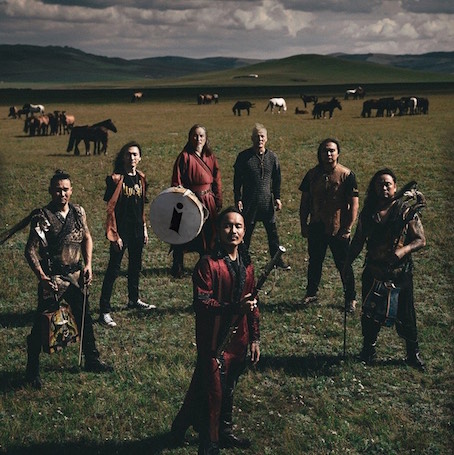
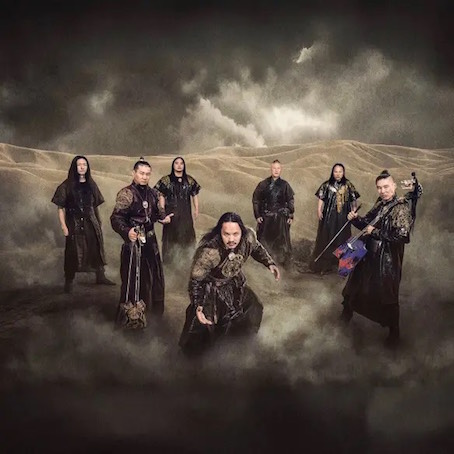
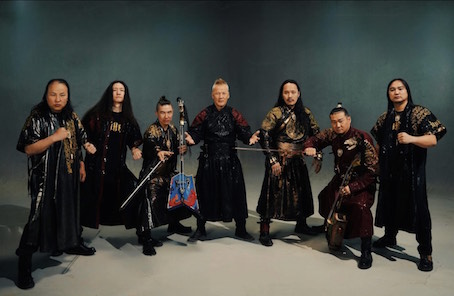
Q1: First of all, how did you come across metal and start playing in Mongolia, a place where metal was not that popular?
【UUHAI】: For many of us in Uuhai, our introduction to metal came during a time when Mongolia was just beginning to open its doors to the outside world. Before the nineteen nineties, foreign music was very limited in our country. Only a few cassettes or CDs reached Mongolia through travelers, students returning from abroad, or friends who carefully shared whatever rare recordings they could find. When we first heard heavy music, it felt like discovering a completely new form of emotional expression.
In those early years, metal was not popular and not widely accepted in society. Very few musicians were brave enough to play louder and heavier styles. Wearing long hair, torn jeans, or metal accessories often brought challenges, and performing aggressive music in public required courage. But those pioneers opened the way for everyone who came after.
As young musicians who grew up surrounded by the sounds of the steppe, the rhythm of horses, and the deep expression of throat singing, we felt a natural connection to the energy of metal. The intensity of the music matched the intensity of our land, our history, and the spirit of our ancestors. Each member of Uuhai found metal in a different way. Some of us studied music formally and discovered rock and metal during our training. Others, like Ombo, followed their passion completely on their own, without any formal education, driven only by dreams and determination. He created music from pure instinct and emotion, building his style from the heart rather than from textbooks.
Step by step, the scene slowly began to grow. Young musicians formed bands, shared equipment, and helped one another. We listened to whatever recordings we could find, trading tapes and CDs like precious treasures. It was a small community, but it was full of passion and curiosity.
Metal in Mongolia did not begin because it was popular. It began because a few people loved it enough to fight for it. For Uuhai, that spirit is still alive today. We carry the same hunger for creativity and the same belief that music can transform both the artist and the listener.
Today, Uuhai stands on international stages, but our roots go back to those early days when metal first entered our country. That journey shaped our identity and helped us understand why we must protect our culture while sharing it with the world. Metal gave us a voice, and our traditions gave that voice a soul..
Q2: “Uuhai” seems to be a Mongolian word. Why did you choose this word as the name of the band?
【UUHAI】: Uuhai is a powerful Mongolian word that carries deep historical and spiritual meaning. It is an ancient call used by our ancestors during battle, during rituals, and during moments when unity and courage were needed. It is more than a shout. It is the voice of a shared spirit.
We chose this name because it represents everything we want to express as a band. In 2020, when we officially gave the band its name, we understood that Uuhai was not only a word. It was the living force that connected us to our ancestors, our land, and our identity. When our elders shouted Uuhai, it was a prayer for strength, good fortune, and protection. When warriors shouted Uuhai, their hearts beat as one. This is the same feeling we want to share with the world.
Uuhai is also the core message of our music. We do not use it simply as a title. We use it as a call for unity, awareness, and harmony between people and nature. Our songs carry the same energy that once echoed across the steppe. When audiences shout Uuhai with us, even if they do not know the language, they still feel the emotion and the unity behind the word.
The name reflects our musical purpose as well. Uuhai stands at the meeting point of ancient tradition and modern expression. Our music is built on throat singing, morin khuur, and the wisdom of our heritage, blended with the strength of contemporary rock. The word embodies that combination. It is ancient, but still alive today. Most importantly, Uuhai reminds us to stay true to our roots. Every time we step on stage, every time we record a song, we carry the spirit of that call with us. It keeps us grounded and gives us strength.
That is why we chose Uuhai. It is not just our name. It is our voice, our identity, and our connection to the soul of Mongolia.
Q3: I believe that you attract worldwide attention because you mix metal/rock with traditional Mongolian music in a unique way. Could you tell us the origin of this “Hunnu Rock”?
【UUHAI】: We usually describe our music as Mongol Rock rather than Hunnu Rock. While the term Hunnu Rock is sometimes used to describe music that draws inspiration from very ancient steppe civilizations, we feel that Mongol Rock better represents who we are and what we express today.
Our music is rooted in the living culture of Mongolia as it exists now. We sing in modern Mongolian, we reflect on contemporary society, and we speak about present day responsibility toward nature, humanity, and the future. The word Mongol connects our sound directly to our people, our language, and our current identity, not only to a distant historical era.
That does not mean we reject ancient heritage. On the contrary, our music carries ancestral spirit, traditional instruments, throat singing, and historical awareness. But we are not trying to recreate the past or place ourselves inside a single ancient concept. We are expressing how Mongolian culture lives, breathes, and evolves in the modern world.
Mongol Rock feels honest to us because it allows space for both tradition and change. It reflects the Mongolia we come from today, a country that respects its roots while standing on the global stage. Our sound carries the voice of the steppe, but it also speaks to modern humanity and global listeners.
Q4: In fact, what kind of a global success THE HU is for you?
【UUHAI】: The global success of The Hu is meaningful for us because it showed the world that Mongolian music has a powerful place on the international stage. Their achievements opened many eyes and helped listeners discover the beauty of our culture, our instruments, and our way of expressing emotion through sound. For that, we have respect. When a Mongolian artist succeeds, it reflects something positive for our entire country.
At the same time, Uuhai follows its own artistic path. We are inspired by the strength of Mongolian culture itself, not by comparison with any particular band. Our sound is heavier, more spiritual, and deeply connected to the ancestral voice of throat singing and the emotion of the morin khuur. We stand on the same land, but we walk our own road.
For us, the true success is that Mongolian artists of different styles are now reaching global audiences. This shows that our culture is rich, diverse, and capable of touching people far beyond our borders. It gives us motivation to continue developing our own identity and to share the spirit of Mongolia in a way that is unique to Uuhai.
In the end, when one Mongolian band is recognized internationally, it creates more curiosity and appreciation for all Mongolian music. And if Uuhai can contribute to that growing interest and bring more of our heritage to the world, then that is a success we are proud to be part of..
Q4: 実際、先に世界で大きな成功を収めた THE HU は、あなたにとってどのような存在なのでしょう?
【UUHAI】: THE HU の世界的な成功は、モンゴル音楽が国際舞台で力強い地位を占めていることを世界に示したという点で、僕たちにとって大きな意義を持っている。彼らの功績は多くの人々の目を開かせ、リスナーがモンゴル文化、楽器、そして音を通して感情を表現することの美しさを発見する助けとなったね。僕たちはその偉業に敬意を抱いているよ。モンゴルのアーティストが成功することは、国全体にとって良いことなんだ。
同時に、UUHAI は独自の芸術的な道を歩んでいる。僕たちは特定のバンドと比較するのではなく、モンゴル文化そのものの力強さにインスピレーションを受けているからね。僕たちのサウンドはより重厚で、よりスピリチュアルで、喉歌の祖先の声や馬頭琴の感情と深く結びついている。つまり、僕たちは THE HU と同じ地に立っているけど、独自の道を歩んでいるんだ。
僕たちにとって真の成功とは、様々なスタイルのモンゴルのアーティストが今や世界中のリスナーに届いていること。これは、僕たちの文化が豊かで多様性に富み、国境をはるかに越えた人々の心に響く力を持っていることを示している。その事実は、僕たち自身のアイデンティティを発展させ続け、UUHAI ならではの方法でモンゴルの精神を共有し続けるためのモチベーションとなるんだ。
最終的に、モンゴルのバンドの一つが国際的に認知されることで、モンゴル音楽全体への好奇心と理解がさらに深まっていく。そして、UUHAI がその高まりに貢献し、僕たちの伝統を世界に広めることができれば、それは僕たちにとって大きな成功であり、その一翼を担えたことを誇りに思うんだ。
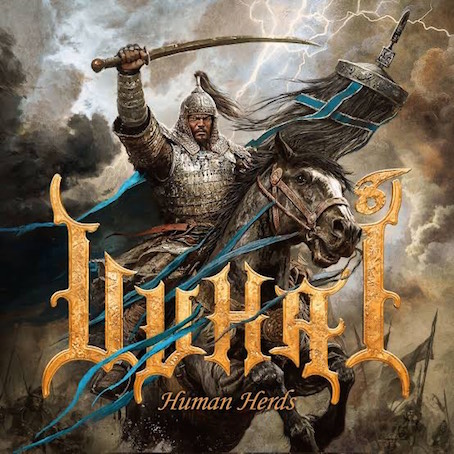
Q5: OK, let’s talk about your amazing debut-full “Human Herds”. When I had an interview with Nature G. of Tengger Cavalry (R.I.P), he said his songs are “It’s all about (Mongolian) Shaman, history, nature, horse and warrior spirit.” How about you? Is there any concept or lyrical themes on this record?
【UUHAI】: Human Herds carries its own concept, shaped by the history, spirit, and worldview of the Mongolian people, but expressed through the voice of Uuhai. While every Mongolian artist draws inspiration from similar sources such as nature, ancestors, and the warrior spirit, our album approaches these themes in a way that reflects who we are as a band.
The central theme of Human Herds is the dual nature of humanity. We look at how people move together, how we influence the earth, and how our choices shape the future. The album speaks about the balance between creation and destruction, which is a concept deeply rooted in Mongolian thought. Our ancestors always taught that human beings must live in harmony with the land that sustains them. When Mother Earth cries, it is a warning for all of us.
Nature is a major pillar of the album. Not only as scenery, but as a living presence. The wind, the sky, the mountains, and the steppe are treated with respect in our culture, and they became emotional guides for many of the songs. When the morin khuur sings or when throat singing rises, it is not just music. It is the voice of the land.
The ancestral spirit is another major theme. Songs like Uuhai and Secret History of the Mongols carry the strength, unity, and wisdom that shaped our history. We do not sing these themes to glorify the past. We sing them to show that the values of courage, respect, and responsibility still matter today. These songs remind us that the warrior spirit is not only about battle. It is about character, leadership, and protecting the world around us.
Human Herds also speaks about modern society. It shows the tension between tradition and the fast changing world. It asks how we can remain connected to our roots while facing the challenges of the present. This is especially important for us as Mongolians who travel globally and perform on international stages. We carry the old and the new together.
So yes, there is a concept behind the record.
It is about humanity, nature, ancestors, responsibility, unity, and awakening.
It is about remembering who we are under one sun and one moon.
【UUHAI】: “Human Herds” は、モンゴル人の歴史、精神、そして世界観に形作られた独自のコンセプトを掲げているけど、それを UUHAI の声を通して表現しているんだ。モンゴルのアーティストは皆、自然、祖先、戦士の精神といった共通の源からインスピレーションを得ているけど、僕たちのアルバムは、バンドとしての自分たちらしさを反映しながらそうしたテーマにアプローチしているよ。
“Human Herds” のテーマは、人間の二面性。人々がどのように共存し、地球にどのような影響を与え、そして僕たちの選択がどのように未来を形作っていくのかを探求しているんだ。このアルバムは、モンゴルの思想に深く根ざした概念である、創造と破壊のバランスについて語っているんだよ。僕たちの祖先は常に、人間は自分たちを支える大地と調和して生きなければならないと教えてきた。母なる大地が泣く時、それは僕たち全員への警告なんだよ。
自然はアルバムの大きな柱だ。風景としてだけでなく、生き生きとした存在として。風、空、山、そして草原は、僕たちの文化において敬意を持って扱われ、多くの曲の感情的な導き手となっている。馬頭琴が歌い、喉歌が高らかに響く時、それは単なる音楽ではない。それは大地の声なんだ。
祖先の魂もまた、もう一つの重要なテーマだ。”Uuhai” や “Secret History of the Mongols” といった歌は、僕たちの歴史を形作った力強さ、結束、そして知恵を体現しているよ。僕たちは、こうしたテーマを過去を称えるために歌うのではない。勇気、敬意、そして責任という価値観が、今日でもなお重要であることを示すために歌うんだ。こうした歌は、戦士の精神とは戦いだけではないことを僕たちに思い出させてくれる。戦士の精神とは人格、リーダーシップ、そして僕たちを取り巻く世界を守ることなんだ。
“Human Herds” は現代社会についても語っているよ。伝統と急速に変化する世界との間の緊張関係を描いていてね。現代の課題に直面しながらも、どのように自分たちのルーツとの繋がりを保つことができるのかを問いかけているよ。これは、世界を旅し、国際的な舞台で演奏する僕たちモンゴル人にとって特に重要だ。僕たちは古いものと新しいものを共に担っているからね。
そう、このレコードにはコンセプトがある。それは、人間性、自然、祖先、責任、結束、そして覚醒について。それは、一つの太陽と一つの月の下で、自分たちが誰であるかを思い出すことなんだ。
Q6: It is amazing that when rock and throat singing intersect, they create such an emotional sound! It is indeed a great challenge to sing in Mongolian and use throat singing in rock music that originated in the West, would you agree?
【UUHAI】: Yes, we agree that blending Mongolian throat singing with Western rock is a great challenge, but it is also one of the most beautiful parts of our music. These two sound worlds grew from very different histories. Rock carries the energy and rebellion of the West, while throat singing comes from the silence of the steppe, the breath of nature, and the spiritual practices of our ancestors.
Singing in Mongolian adds another layer of complexity. The language is rich, rhythmic, and deeply connected to the land. It follows a completely different flow than English. When we place Mongolian lyrics inside rock structures, we must reshape the rhythm while still protecting the natural character of the language. It requires careful thought, respect, and creativity.
Throat singing itself is a demanding technique. It depends on strong breath control, physical discipline, and many years of training. When we combine it with distorted guitars and powerful drums, we must make sure that the traditional sound is not drowned out. Instead, it must shine through the music as the guiding spirit. That balance takes time to master.
But the emotional impact makes the challenge worth it.
When throat singing rises over heavy rock, something unique happens. The ancient and the modern meet in one voice. Listeners who have never heard our language or our traditions still feel the vibration in their bodies. They feel the emotion even before they understand the meaning.
This is why we believe the combination works so naturally.
Both rock and Mongolian music carry deep emotion. Both connect directly to the heart. Both are honest forms of expression.
Q7: As the breakthroughs of BLOODYWOOD and THE HU show, bands that incorporate the traditional music and culture of the land where they grew up into their metal have become increasingly popular in recent years. In fact, you have incorporated many traditional Mongolian instruments, throat singing, and the Mongolian language into your metal. In this way, has metal really been liberated to the rest of the world in a way that blends different cultures?
【UUHAI】: Yes, we believe metal has entered a new period of freedom where different cultures can express themselves honestly within the genre. Metal began in one part of the world, but its emotional language is universal. It speaks about strength, struggle, identity, and the search for meaning. These are experiences shared by every culture on earth. That is why metal is now expanding far beyond its origins.
When bands incorporate their own traditional music, they are not simply adding exotic elements. They are bringing their roots, their history, and their worldview into the music. This gives metal new stories, new emotions, and new colors that were not present before. It is not a trend. It is a natural evolution of a global art form.
For us in Uuhai, this blending is not only musical. It is cultural and spiritual.
The morin khuur, throat singing, harkhiraa, long song, and our Mongolian language carry the soul of our ancestors. When these elements meet the raw energy of rock, a new voice emerges that feels both ancient and modern. It allows us to stay true to our identity while connecting with listeners from every background.
This process shows that metal can be a bridge between cultures.
Listeners in Europe, Asia, and the Americas can experience the spirit of Mongolia without needing translation. They can feel the vibration of throat singing, the power of the morin khuur, and the emotional depth of our land. In that moment, the distance between cultures disappears.
Q7: BLOODYWOOD や THE HU の躍進が示すように、近年では、出身地の伝統音楽や文化をメタルに取り入れるバンドが人気を集めています。実際、あなたたちはモンゴルの伝統楽器、喉歌、そしてモンゴル語をメタルに多く取り入れています。こうしてついに、メタルは様々な文化を融合させ、世界に解き放たれたと言えるのでしょうか?
Q8: Unlike Genghis Khan who conquered the world, you sing of world peace and unity, but the world is moving into darker times. War, division, discrimination, oppression, violence… What can heavy metal do in such times?
【UUHAI】: Our ancestors lived through difficult times, and Mongolian history is filled with both strength and wisdom. Genghis Khan united a vast land under one rule, but he also taught principles about justice, leadership, and responsibility. Today, the world faces different kinds of battles. War, division, discrimination, and fear are rising in many places. These challenges cannot be solved with force. They must be approached with understanding and unity.
In such a world, heavy metal has a special role. Metal does not hide emotion. It is honest, direct, and unafraid to speak about the truth. When societies become heavy with silence, metal becomes a voice for those who feel unheard. It can express anger, sorrow, and frustration, but it can also transform those emotions into strength and connection.
For Uuhai, metal is more than a musical style. It is a force that can remind people of their shared humanity. It can carry messages that reach across borders and cultures. It can unite people who may never meet, yet feel the same heartbeat in the music.
When we shout Uuhai on stage, it is not a call to battle. It is a call to awareness and unity. It is an ancient word repurposed for a modern world that urgently needs courage, empathy, and responsibility. When thousands of people shout it back to us in Europe or Asia, it feels like a sign that humanity still has the power to stand together.
Heavy metal cannot stop wars, but it can inspire the people who will build peace. It cannot erase division, but it can create moments where division disappears. It cannot solve every problem, but it can open hearts and minds.
Music is not a weapon. It is a light. And even a small light is powerful in dark times. If Uuhai can give people strength, comfort, or a sense of connection, then that is our contribution. Heavy metal gives us a platform to speak honestly and to remind people that we all live under one sun and one moon, sharing the same fragile home. The world needs that message now more than ever.
Choosing only five albums is difficult because every artist we listen to becomes part of our musical journey. But there are a few recordings that left a deep impression on us, both in traditional Mongolian music and in the global rock and metal scene.
These are five albums that helped shape our understanding of sound, emotion, and artistic purpose:
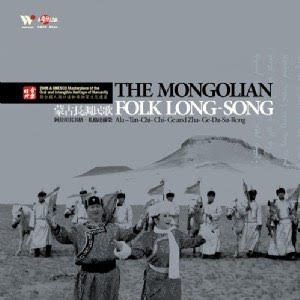
Traditional Mongolian Long Song recordings
These recordings taught us the beauty of open space and emotional depth. The long song is the soul of our people, and its melodies influenced the way we compose and express feeling.
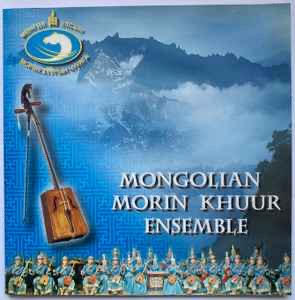
Classic morin khuur ensemble recordings from the Mongolian State Philharmonic
These recordings showed us how powerful and cinematic the morin khuur can be when performed with intention and skill. They helped us understand how tradition can live inside modern compositions.
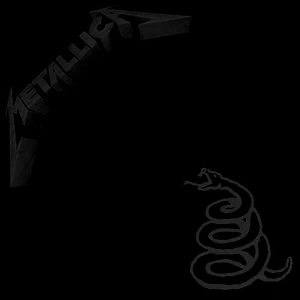
This album was one of the first global recordings many of us heard as young musicians. Its simplicity, weight, and emotional directness opened our eyes to what rock music could become.
This album taught us that modern rock can carry cultural identity, political thought, and raw emotion all at once. It showed us that powerful music does not have to fit into one shape.
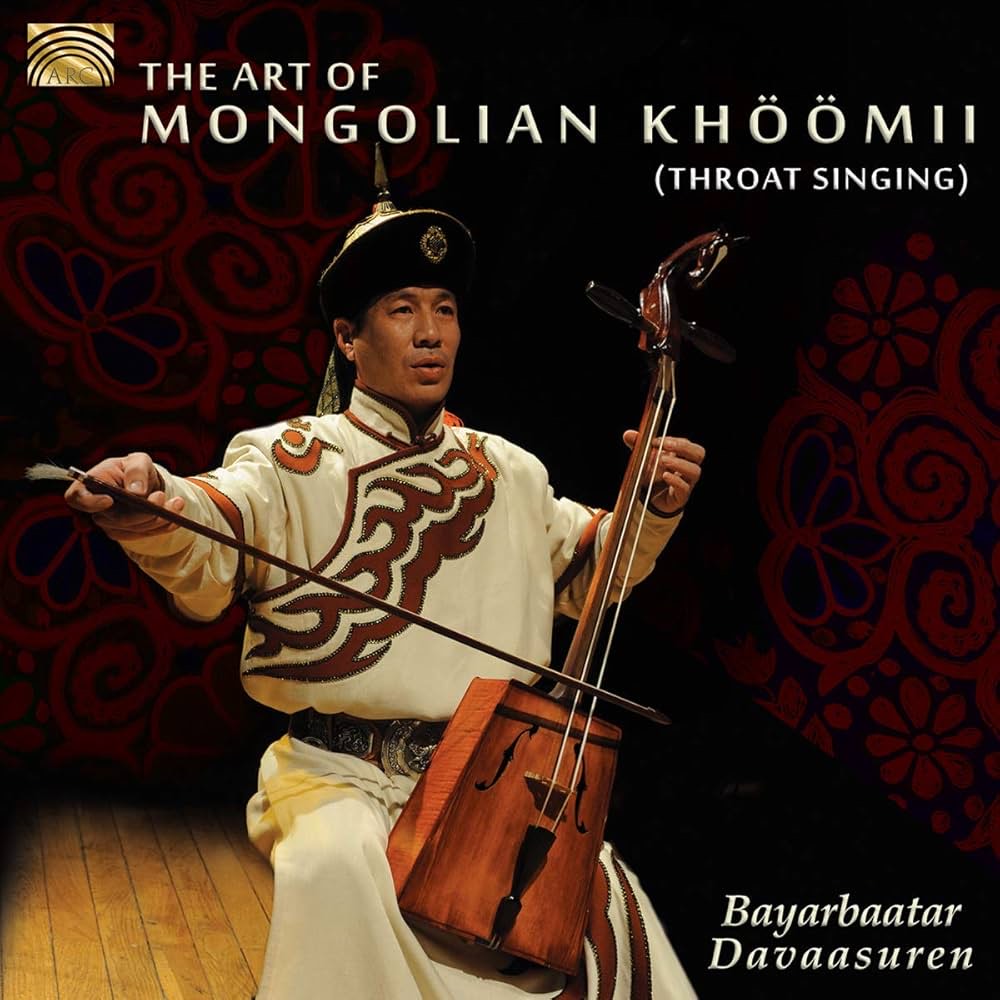
Mongolian throat singing masters – archive recordings from the Academy of Culture and Art
These recordings are not commercial albums, but they changed our lives. Listening to the old masters of throat singing and harkhiraa helped us understand the spiritual and physical discipline behind the technique, and it shaped our identity as musicians.
These albums and recordings influenced us in very different ways, but they all taught us one important lesson.
Music is most powerful when it is honest, fearless, and connected to its roots.
They inspired us to create a sound that carries the strength of the steppe and speaks to the modern world at the same time.
The connection between Mongolia and Japan has always been strong and respectful. Our two countries share many cultural links, from sumo wrestling to traditional music, and there is a deep sense of mutual admiration. Mongolia has benefited greatly from the kindness of Japanese people and organizations who have supported education, health, infrastructure, and many important projects in our society. Their contributions have touched many lives, and we hold that friendship with sincere gratitude.
As musicians, we have great respect for Japanese culture. Japanese traditional music carries a purity and emotional discipline that feels very close to our own artistic spirit. Instruments such as the shamisen and taiko drums have a spiritual quality that resonates with the sounds of the Mongolian steppe. We also admire Japan’s ability to honor ancient traditions while leading the world in modern creativity, from cinema to design to technology.
Japanese audiences are known for listening with focus and emotion. They approach music with sincerity, and for a band like Uuhai that expresses deep cultural roots and strong emotional themes, that kind of audience connection is very meaningful. Japan is a place where art is treated with respect, and that inspires us.
Message for Japan:
To all our friends in Japan, thank you for your continuous support and kindness toward Mongolia and its people. Your friendship has helped our country grow, and we respect you deeply for your generosity and your cultural richness. We hope to visit Japan soon and bring the voice of the Mongolian steppe to your stage. Until then, please continue protecting your beautiful land, honoring your traditions, and creating art that inspires the world. We look forward to meeting you under one sun and one moon.
Uuhai sends you strength, unity, and respect.
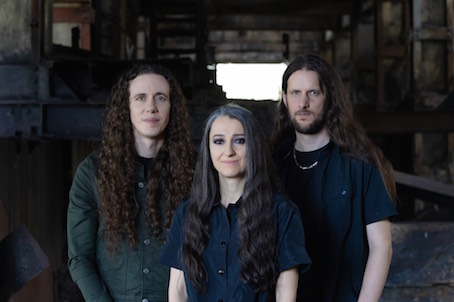
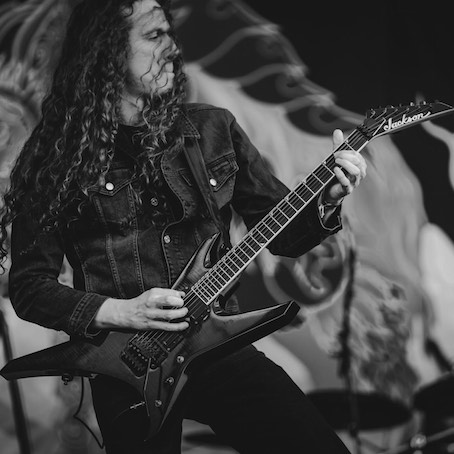
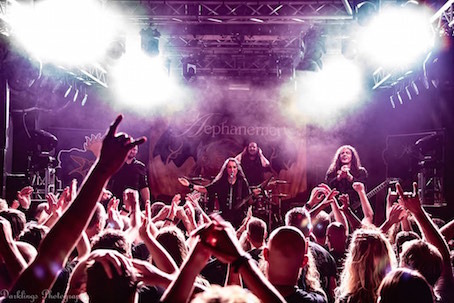
EXCLUSIVE: INTERVIEW WITH MARTIN HAMICHE OF AEPHANEMER !!
“I have always admired Joe Hisaishi, who composed the music for many Studio Ghibli films. One of my favorite pieces is Innocent from Castle in the Sky – it is pure, sincere, and beautiful. I truly admire his work.”
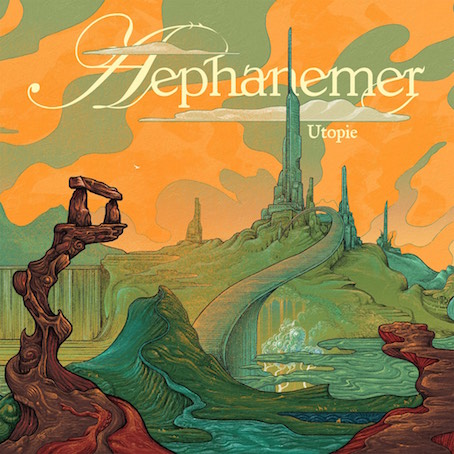
DISC REVIEW “UTOPIE”
「僕らにとって、フランス語で歌うことはとても自然な選択なんだ。メタルの世界では母国語で歌うバンドがますます多くなり、一般的に広く受け入れられるようになったと感じているよ。 それは今日、誠実さや信憑性の証とみなされ、高く評価されることさえあるからね」
音楽、特にメタルの優れているのは、たとえ言葉の壁やボーカル・スタイルによって歌詞が不明瞭で理解不能な場合でも、ムード、メロディ、テーマ、バイブスなどその音楽自体に伝える力が込められているところでしょう。裏を返せば、モダン・メタルの寛容さは、あらゆる異端を排除せず、壁を壊して包容し、自らの血肉としていくことができるのです。フランスの AEPHANEMER は、そうして文化の壁も、さらにはメロデスというジャンルの限界まで打ち壊し、突破していきます。
「客観的に見て、僕たちは DARK TRANQUILLITY, AMON AMARTH, ARCH ENEMY のようなサウンドではまったくない。 CHILDREN OF BODOM と比較されることがあるけれど、それでも僕らとはまったく違う雰囲気を持っているよ。 というのも、今の僕は中世、クラシック、民族音楽にインスパイアされることが多いからね。それはもはや前世代のバンドには当てはまらない特徴だよね。結局、単に音楽はそうやって進化していくということだよ」
メタルの進化に終わりはありません。そう、AEPHANEMER はメロデスの遺産をしっかりと抱きしめながら、そのサウンドを別の次元へと高めるために音楽を奏でています。”メディーヴァル・フォーク的シンフォニック・メロデス” という大げさな表現が、もしかしたら今の彼らには最もしっくりくるのかもしれませんね。それだけ、この最先端のメロデスは、映画的で、オーケストラで、壮大な音の祭典です。
2023年にベーシストの Lucie Hune が脱退し3人編成となったにもかかわらず、これだけの緻密な壮観を完成させた AEPHANEMER の才能は比類なきもの。バンド創設者でインタビューイ、 Martin Hamiche が全ての弦楽器とオーケストレーションを担当して、あの鬼才 Dan Swanö 再度の協力により、力強いメロディにフック、心を震わす激情、幻想的なムード、フランスらしい気品と格調の高さ、そして豪華絢爛な “La Rivière Souterraine” が象徴する複雑で多面的な色彩を帯びた、ダーク・フォークとネオクラシカルの煌びやかな祭典 “Utopie” が降臨することとなりました。
「僕たちのアプローチは、あきらめずに日々の小さな行動を通じて現実世界を改善する努力を続ければ、現実世界で何が起こり得るかについて、自分自身、そしておそらく他の人たちを鼓舞するためにアートを創作するというものなんだ。僕たちは、人々が僕たちの音楽からエナジーやインスピレーションを感じ、そのエネルギーを活かして生活や家庭、地域社会に前向きな変化を起こしてくれることをとても嬉しく思っているんだ。僕たちにとって、すべての生きとし生けるもののためにより良い未来を創造することは必要不可欠なこと。だからこそ僕たちの考えるユートピアとは、人類が自然や他の生命体と調和して生きる世界なんだよ」
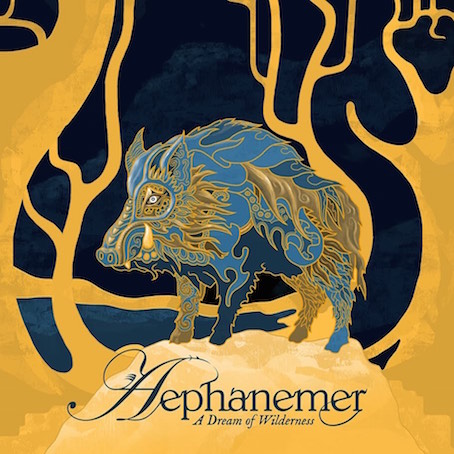
お馴染みとなった Niklas Sundin (DARK TRANQUILLITY) の手による鮮やかなアートワーク。そこには、彼らにとっての “Utopie” “理想郷”、自然と人間が手を携え、調和して生きていく世界が描かれています。もちろん、前作 “A Dream of Wildness” のイノシシに、私たちは “もののけ姫“ の影をみましたし、久石譲の風も受け取りました。
そう、AEPHANEMER の理想郷にとって、進化し多様に共生するべきは音楽だけにとどまりません。彼らは、人も小さな行動の積み重ねでより良い世界を目指すことができる、異文化と共生し調和することができると信じてアートを生み出していますし、もちろんアシタカとサンのように文明と自然も調和して生きていく未来を見据えているのです。
今回弊誌では、ギタリスト Martin Hamiche にインタビューを行うことができました。「Marion は、僕たちが大好きな宮崎駿監督の “もののけ姫” に登場するイノシシをすぐに思い浮かべたね。 彼女は若い頃からアニメのファンで、アニメは常に彼女に創造的なインスピレーションの源となってきた。 個人的には、多くのスタジオジブリ作品の音楽を作曲した久石譲さんをずっと尊敬してきたんだ。彼の作品で好きな曲のひとつは “天空の城ラピュタ” の “Innocent”。まさに純粋で誠実で美しい音だよね。彼の作品を心から尊敬しているんだ」ギターの煌めきとドラムの技巧、そして声の獰猛は群を抜いていますね。どうぞ!!
AEPHANEMER “UTOPIE” : 10/10
INTERVIEW WITH MARTIN HAMICHE
Q1: First of all, what kind of music did you grow up listening to?
【MARTIN】: I discovered metal when I was around 12 or 13, thanks to my older sister, and for a long time, it was the only music I listened to. It started with System of a Down, which I played almost nonstop for a couple of years. Then, a friend gave me a compilation CD that introduced me to a dozen metal bands from different genres. On that CD I found bands that would become favorites for a long time: Amon Amarth, Insomnium, Dimmu Borgir, Therion. Shortly after, I also discovered Windir and Children of Bodom. These bands became the foundation of my metal influences, and I listened to them almost exclusively until I was 20 or 21. I wish I could say that I grew up with classical or folk music, but that was not the case, my family was modest and music culture simply was not present in our home.
Q1: 本誌初登場です!まずは、あなたの音楽的なバックグラウンドからお話ししていただけますか?
【MARTIN】: 姉の影響で12歳か13歳頃にメタルに出会い、それから長い間、メタルだけを聴き続けていた。SYSTEM OF A DOWN から始まり、2、3年間ほとんどノンストップで聴き続けたね。その後、友人からコンピレーションCDをもらったんだ。 そのCDの中で、僕はそれから長い間お気に入りとなるバンドを見つけたんだよ。AMON AMARTH, INSOMNIUM, DIMMU BORGIR, THERION といったバンドだね。その直後、WINDIR と CHILDREN OF BODOM にも出会った。
彼らは、僕が影響を受けたメタルの基礎となり、20歳か21歳になるまで、ほとんど彼らばかり聴いていたね。クラシックや民俗音楽とともに育った、と言いたいところだけど、僕の家族は質素で、音楽文化は我が家には存在しなかったんだ。
Q2: How did Aephanemer begin? What is the meaning behind your band name?
【MARTIN】: Aephanemer started as a one-man band in 2014 when I released “Know Thyself,” an instrumental EP that I created on my own. A few months later, I brought in other musicians and turned it into a full band. The name of the band is inspired by the autumn season, which has always been my favorite, because it is the season in which I feel most at home and at peace. “Aephanemer” is actually a combination of the words “éphémère,” meaning ephemeral, and “fânée,” meaning faded or wilted, like a flower.
Q3: Marion’s ghoulish vocals are truly amazing, and she is the face of the band! How do you feel about the gradual increase of female vocalists and players in the metal world, which used to be a boys’ club?
【MARTIN】: Well, I think that is a wonderful development for many reasons. Humanity has probably missed out on many female Mozarts, Beethovens, or Tchaikovskys simply because access to music careers was so limited for women for so long. I am truly happy that Marion, in Aephanemer, contributes to changing that, both as a singer and as a musician.
Q3: Marion の鬼気迫るボーカルは本当に素晴らしく、彼女はバンドの顔となっていますね! ボーイズ・クラブだったメタル界に、女性ヴォーカリストや女性プレイヤーが徐々に増えていることについてはどう思っていますか?
【MARTIN】: そうだね、それは多くの理由から素晴らしい発展だと思う。 これまで人類は、おそらく多くの “女性版” モーツァルト、ベートーヴェン、チャイコフスキーを見逃してきたのだろう。というのも、長い間、女性にとって音楽活動へのアクセスは非常に限られたものだったから。AEPHANEMER で Marion が、歌手として、また音楽家として、それを変えることに貢献していることを心から嬉しく思うよ 。
Q4: When I saw the artwork for your last album, “A Dream of Wilderness,” it reminded me of Hayao Miyazaki’s anime. Have you been influenced by such Japanese culture, anime, music, and video games?
【MARTIN】: When we thought about putting a boar on the cover of “A Dream of Wilderness,” we looked for references to boars throughout history to give some inspiration to Niklas Sundin, who created the artwork. Marion immediately thought of the boars in Hayao Miyazaki’s Princess Mononoke, a work we both love. She has been a fan of anime since she was younger, and it has always inspired her creatively. Personally, I have always admired Joe Hisaishi, who composed the music for many Studio Ghibli films. One of my favorite pieces is Innocent from Castle in the Sky – it is pure, sincere, and beautiful. I truly admire his work.
Q4 :前作 “Dream of Wildness” のアートワークを見て、宮崎駿監督のアニメを思い出しましたよ。そうした日本文化、アニメ、音楽、ビデオゲームから影響を受けているんですか?
【MARTIN】: “A Dream of Wildness” のアートワークにイノシシを描こうと考えたとき、アートワークを担当した Niklas Sundin (DARK TRANQUILLITY) にインスピレーションを与えるために、さまざまなイノシシを探したんだ。
Marion は、僕たちが大好きな宮崎駿監督の “もののけ姫” に登場するイノシシをすぐに思い浮かべたね。 彼女は若い頃からアニメのファンで、アニメは常に彼女に創造的なインスピレーションの源となってきた。 個人的には、多くのスタジオジブリ作品の音楽を作曲した久石譲さんをずっと尊敬してきたんだ。彼の作品で好きな曲のひとつは “天空の城ラピュタ” の “Innocent”。まさに純粋で誠実で美しい音だよね。彼の作品を心から尊敬しているんだ。
Q5: Dan Swano is involved in “Utopie” as he was in the last album. What do you learn from the originator of Melo-death?
【MARTIN】: Dan Swanö is an incredible sound engineer and has been essential in shaping the current Aephanemer sound, balancing all the classical instruments with the metal ones. His work allows every layer to be heard and feel alive. We are very grateful for his contribution and look forward to collaborating with him even more in the future.
Q5: Dan Swano は前作に引き続き “Utopie” にも関わっていますね。メロデスのオリジネーターのひとりから何を学んでいますか?
【MARTIN】: Dan Swano は素晴らしいサウンド・エンジニアで、現在の AEPHANEMER サウンドの形成に欠かせない存在であり、すべてのクラシック楽器とメタル楽器のバランスをとってくれているんだ。 彼の仕事によって、すべてのレイヤーが聴こえ、生きているように感じられる。 僕たちは Dan の貢献にとても感謝しているし、今後さらに彼とコラボレーションできることを楽しみにしている。
Q6: In fact, “Utopie” is a truly wonderful album!I can’t think of any other work that blends the wailing, fierce of melo-death with cinematic beauty as well as this one! Is one of your goals to portray a cinematic world with melo-death?
【MARTIN】: Thank you very much! When we create our albums, we don’t really set out to make something cinematic. What we do want is to give the feeling that our music opens a window to another universe, and orchestral instruments help us achieve that. They bring colors and textures that allow us to express emotions in ways that metal instruments alone could not. As for the metal side of our sound, we don’t really think in terms of genres. We simply include all the ideas we have and let them shape the music naturally.
Q7: War, pandemics, division, discrimination, oppression… There are many people seeking escape in this dark world, and this work is a veritable “Utopie” for them. If metal has a role to play now, is it to provide a wonderful escape like this record?
【MARTIN】: Yes and no. We are not escapists in the sense of creating art to run away from reality. Our approach is more that we create art to inspire ourselves, and perhaps others, about what could happen in the real world if we don’t give up and continue working to improve it through our small daily actions. We love when people feel energized and inspired by our music, and then take that energy to make positive changes in their lives, in their homes, or in their communities. For us, creating a better future for all living beings is essential, because our vision of Utopia is a world where humanity lives in harmony with nature and other life forms.
Q8: From this record, French is the main language. In recent years, more and more metal bands are incorporating the language and culture of their native country instead of English, why did you decide to make French the main language?
【MARTIN】: As you said, we feel that more and more bands singing in their own language is becoming common and widely accepted. It can even be seen as a sign of sincerity and authenticity, which people appreciate today. For us, using French was a very natural choice, especially since our previous album, A Dream of Wilderness, included one French song that was very well received. From our experience on tour, audiences everywhere actually prefer the French lyrics. There is a small exception with part of the US audience, who sometimes see it as a personal insult that we don’t write in English anymore, but that doesn’t matter to us. We make the art that feels true to us, and only to us.
Q9: In this day and age, some people say that melodeath is outdated, rustic, or unpopular. What do you think about those words? Why do you keep playing melodeath?
【MARTIN】: Every music genre can feel outdated until it is reforged, renewed with new elements from other styles, and then finds a new audience. I feel that is exactly what some of us are trying to do. Objectively, we don’t really sound like Dark Tranquillity, Amon Amarth, or Arch Enemy at all. Even Children of Bodom, a band we are sometimes compared to, has a very different vibe than us. This makes sense, because today I am mostly inspired by medieval, classical, and folk music, which isn’t the case for any of those bands. That is simply how music evolves. But when we write, we never think about comparisons or trends: we just create the music we wish existed, the music we would want to listen to ourselves.
【MARTIN】: あらゆる音楽ジャンルは、他のスタイルから新しい要素を取り入れて刷新され、新しいリスナーを見つけるまでは、時代遅れだと感じることがある。僕たちがやろうとしていることは、まさにそうした挑戦だと思う。
客観的に見て、僕たちは DARK TRANQUILLITY, AMON AMARTH, ARCH ENEMY のようなサウンドではまったくない。 CHILDREN OF BODOM と比較されることがあるけれど、それでも僕らとはまったく違う雰囲気を持っているよ。 というのも、今の僕は中世、クラシック、民族音楽にインスパイアされることが多いからね。それはもはや前世代のバンドには当てはまらない特徴だよね。
結局、単に音楽はそうやって進化していくということだよ。 でも、僕たちが作曲するときは、比較や流行を考えることはない。僕たちはただ、自分たちが存在してほしいと願う音楽、自分たち自身が聴きたいと思う音楽を作るだけなのだから。
FIVE ALBUMS THAT CHANGED MARTIN’S LIFE!!
System of a Down “Toxicity”
Because it was the first metal I ever listened to.
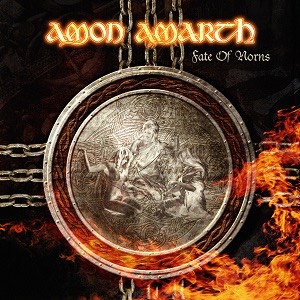
Amon Amarth “Fate of Norns”
As it was the first melodic death metal album I discovered.
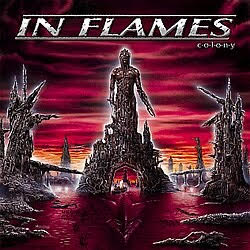
In Flames “Colony”
Because it made me re-discover melodic death metal when I was 21 and probably inspired me to create Aephanemer
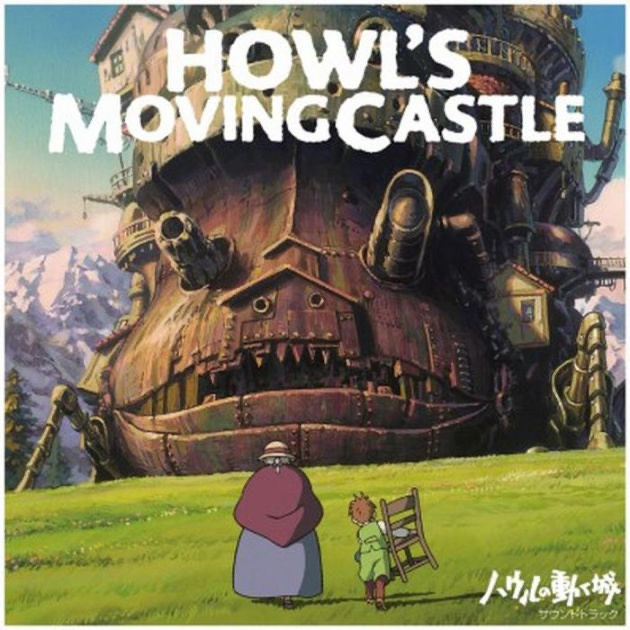
Joe Hisaishi “Howl’s Moving Castle soundtrack”
A major album in my musical journey beyond metal.
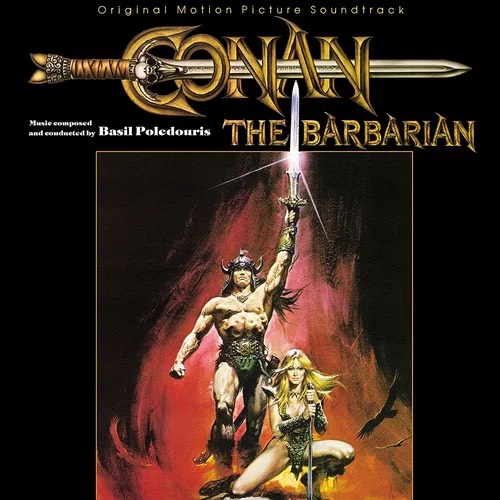
Basil Poledouris “Conan the Barbarian”
For a similar reason, and it also became a source of inspiration for Utopie.
MESSAGE FOR JAPAN
Thank you so much to all our listeners in Japan for your support and your amazing culture. We are currently working with a local promoter on a Japan tour, and we really hope to meet you all in 2026. Wishing you a wonderful day!
“I’ve never had world domination or fame as a goal ― just to write and perform my music, something I’ve lived off solely since I was nineteen, and something I’m incredibly grateful for. The least you can do is hug someone who supports your experimenting and songwriting.”
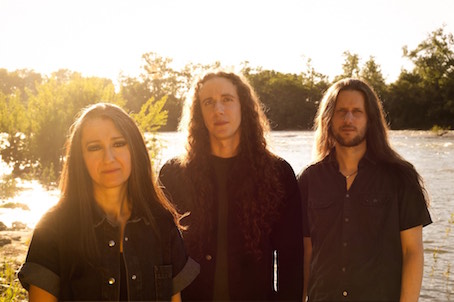
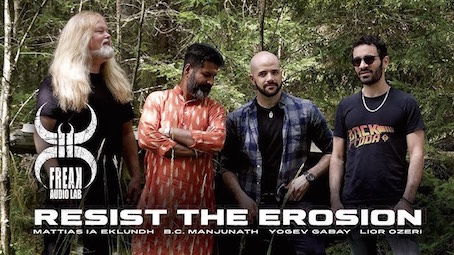
Anyone who attended FREAK KITCHEN’s first concert in Japan in a long time was surely surprised by the warmth of the venue. At least for me, it was the first time I’d ever experienced a live performance where there was such a clear barrier between the performers and the audience, and even between the audience members themselves. We were made to practice some mysterious Swedish, counted out odd time signatures, and laughed our heads off at Mattias’s comedy routines. The quality of the songs and the virtuosity of the instruments were undeniable, but more than that, it was a concert where I truly felt the joy of direct human connection.
It was an atmosphere born out of the extraordinary guitarist Mattias “IA” Eklundh, who values connections more than anyone else. He appeared in the audience before the show to shake hands with each person, and invited those who purchased his signature guitar to take photos with him. During the show, he livened up the venue with comedy routines and Swedish language lessons, bringing the audience together. In today’s world, where faceless social media interactions and, even more so, one-way “interactions” based on quotes are the norm, Mattias values face-to-face connections more than anyone else. He knows that without fans who engage with, enjoy, and support his unconventional experiments, it’s just “sound,” not music.
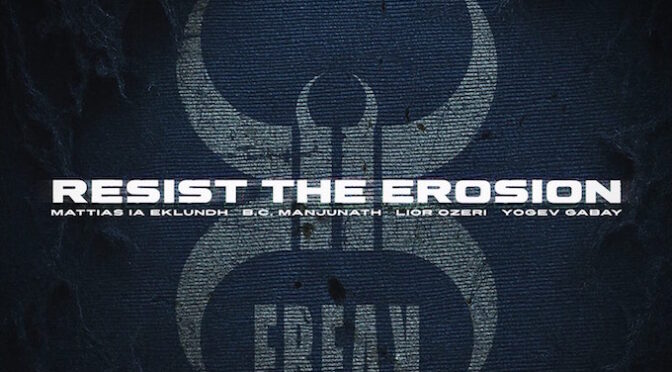
Mattias “IA” Eklundh’s “Freak Audio Lab” experiments are always joyful and filled with gratitude. Even within this lab, “Resist the Erosion” stands out as a monumental achievement.
Mattias’s project was born out of his admiration for Indian music, particularly the South Indian Carnatic music known as Konakkol. Konakkol is an art of vocally playing percussion syllables with highly intricate rhythms and signatures based on complex mathematical formulas. B.C. Manjunath has become a key advocate for this traditional Indian musical philosophy, incorporating it into the worlds of jazz and world music. That’s why Mattias, a lover of Carnatic music, was so thrilled when Manjunath contacted him about a collaboration that would fuse modern metal with ancient South Indian musical styles. Mattias’s laboratory, now a quartet of veteran musicians with bassist Lior Ozeri and drummer/percussionist Yogev Gabay, has produced 10 astounding tracks that sound like John McLaughlin had formed a whole new SHAKTI. When the Fibonacci-esque intricacies of the konakkol and mridangam meet Mattias’s djenty, eight-string modern metal universe, metal and guitar music are transported to another dimension. True innovation truly comes from pure passion and curiosity. 115/16, 34/4. Though colored by incredibly complex time signatures and instrumental counterpoint, there’s a swirl of stunning emotion and dense melody unfolding here. That’s what makes “Resist the Erosion” such an unprecedented landscape, and why Mattias “IA” Eklundh is a lifelong guitar scientist.
This time, we had the pleasure of interviewing Mattias “IA” Eklundh. This is his fourth appearance. Enjoy!!
EXCLUSIVE: INTERVIEW WITH ANATOLY PAKHALENKO OF NYTT LAND !!
“Throat singing is a real treasure, the heritage of our indigenous peoples. We use throat singing in our music quite actively, as it is an incredible magic and it is our connection with our ancestors.”
DISC REVIEW “SONGS OF SHAMAN”
「私たちにとってシベリアで暮らすのは、世界のどの地域よりもずっと簡単なんだ。 ここは私たちの祖国であり、祖先の土地であり、自分たちのルーツを大切にして、伝統を守ることが重要なんだよ。 私たちはアジア人で、ライフスタイルの面では非常に保守的だ。 フランス、ノルウェー、セルビアなど、他の国や大都市への移住を何度も勧められよ。でも、私たちはそんなことはしたくない。 どこまでも続く美しい草原、山々、森といった生まれ育った土地を離れることは、私たちにとって大きなストレスになる。 ここが私たちの人生のすべてであり、私たちが生まれた場所であり、先祖が生まれた場所であり、私たちの一部であり、だからこそ私たちはここに住んでいるのだよ」
シベリアの大地に深く根を張る NYTT LAND の作品は、2021年の “Ritual” を皮切りに、北欧のフォーク・ミュージックからシベリアの伝統をより深く表現するダークな音楽へと徐々に移行し、最新アルバム “Songs Of The Shaman” で頂点を極めました。
満州・ツングース民族のシャーマニズム的な歌や呪文を、彼ら自身の言語と伝統楽器を用いて解釈することで NYTT LAND は自らの古代文化を守り、より幅広いオーディエンスに届けることを目指しています。NYTT LAND の音楽を聴けば、かつてシベリアに広がっていた風景や営みが心に深く刻まれるような感覚を覚えます。それは、まさに太古の昔からもたらされた音のささやき。 これはもはや、地球上で最も古い文化を巡る魅力的な旅。そして、”Songs Of The Shaman” でその旅路の鮮やかさは一段と際立っています。
「ホーミーはシベリアとモンゴルの先住民の伝統的な歌唱法なんだ。こうした伝統的な歌い方は、世界中のどこを探しても見つからない。もし誰かが、バイキングの間でのどを使った歌い方があったという話をしたら、その人の顔にツバを吐いてもいいだろう。現在では、喉歌をヨーロッパ民族のものとすることが非常にポピュラーになっているけど、これはまったくのナンセンスだよ。喉歌は、先住民族の遺産であり、真の宝なんだ。私たちが非常によく喉歌を使うのは、喉歌が信じられないような魔法であり、祖先とのつながりでもあるからなんだ」
伝統的なシャーマニズムの歌と呪文を解釈した NYTT LAND の音楽。すべての曲は原語で録音され、喉歌や太鼓などの非常に古い音楽技法が用いられています。そうして彼らは、イントネーションとリズムからも生まれる魔法の力を逃さないようにしています。降霊術、呪文、祝福…古代の魔法は、慎重に選択され、有害な呪いは意図的に排除されていきました。NYTT LANDは聴く者すべてを、精霊たちが今も支配し、神々でさえも恐れる時空の秘境、音楽の旅へと誘います。
そうしてこの音の旅は、原始的な人間性に対する理解を何よりも深めてくれるはずです。真っ暗な草原の夜空の下、焚き火のそばに座り、シャーマンが祖先、星々、そこに宿る神々、そしてこの極寒の地を形作る岩や川についての物語を紡ぐのをただ聞いている。そしてシャーマンが炎の中で喉歌を歌い踊る姿に目を奪われる…そこに広がるのは民俗神話の荘厳なる世界。
そう、NYTT LAND こそ古の草原を旅する真の音楽遊牧民。そしてもちろん、この原始と神話、古代の再来は、NYTT LAND が祖先、土地、ルーツと伝統を心から大切にしてきたからこそ成り立っているのです。
今回弊誌では、Anatoly Pakhalenko にインタビューを行うことができました。妻 Natalia とのユニット。「私たちはメタルを演奏するのではなく、伝統的な儀式のフォークロアとその音楽における解釈を研究しているんだ。 そう、私たちの聴衆の一部は間違いなくメタル・ヘッズで、それはクールなことだ。 これは、私たちの音楽がすべての人の魂に触れ、ある種の感情を呼び起こすことを意味している」 ARKONA との来日も決定。どうぞ!!
EXCLUSIVE: INTERVIEW WITH ANDY GUSHIN OF KORYPHEUS !!
“Since August I am serving in the army. So we stopped writing new music. However, before that we managed to record 2 new songs and were about to record the third one in September but…”
“Our Song Wingkawnoamestá Is Based On The Dance Of The Wemul (Deer). It Has a Syncopated Rhythm Because This Animal Has The Wisdom To Confuse Its Predators, It Even Makes a False Step.”
EXCLUSIVE: INTERVIEW WITH LIONEL CANO MUNOZ OF IMPUREZA !!
“Metal And Flamenco…Two Worlds That Seem To Be Opposites, But Which Share The Same Intensity, The Same Pain, The Same Rebellion. It’s This Mixture That Forged The Guitarist I Became.”
DISC REVIEW “ALCÁZARES”
「非常に美しい進化だと思うよ。メタルはついに、これまで以上にユニバーサルなものになりつつあるんだからね。各言語には歴史、色、文化があり、それを使用する者にリズムを与える。スペイン語は、僕たちの歌詞に特有の音楽性をもたらし、ドラマチックで激しく暴力的な側面を与え、メタルの力とフラメンコの強度を自然に融合させてくれるんだ」
BLOODYWOOD や THE HU の台頭により、メタルに宿る生命力、包容力、感染力がついに可視化されました。今やメタルに第三世界はありません。その大いなる寛容さで様々な地域、様々な人々の文化を暖かく包み込み、メタルの咆哮と旋律に共感を誘います。
“ヒスパニック・メタル” を標榜する IMPUREZA も、そんなユニバーサルなモダン・メタル世界を象徴するバンドのひとつ。フランスとスペインの伝統の炎…その熱き血潮で鍛えられた IMPUREZA は、エクストリーム・メタルとフラメンコの情熱的で激しい融合を20年もの長きに渡って、追求してきました。そして今、イベリア半島のアイデンティティを刃物のように操り、自らのルーツをメタルの中に浸透させた彼らの勇気に遂に時代が追いついたのです。
「僕はフラメンコとメタルという、非常に強力な2つの世界の間で育ったんだ。家ではパコ・デ・ルシア、カマロン・デ・ラ・イスラといったスペインのギター音楽を聴いていたんだよ。一方で、METALLICA, PANTERA, SLAYER, MORBID ANGEL, TESTAMENT, NILE などにも完全に浸っていた。一見対立する二つの世界だけど、同じ情熱、同じ苦悩、同じ反逆の精神を共有しているんだよ。このふたつのミックスが、ギタリストとしての僕を形作ったんだ」
そう、一見交わらないように思える様々な道を交わらせるのがメタルの力。しかし、そもそもフラメンコとメタルには、情熱、苦悩、そして逆境を跳ね返す回復力といった多くの共通項が存在しました。だからこそ、今回のインタビューイでありイベリアのギター・ヒーローLionel Cano Muñoz は PANTERA とパコ・デ・ルシアを同時に愛することができたのです。
「フラメンコには深い、悲劇的で、感情的、本能的な精神がある。メタルには、この解放的な音楽の力を通じて、僕たちの中に埋もれたエネルギーをアウトプットする能力がある。ただしふたつとも複雑な音楽で、多くの厳格さを必要とする。勇気は、この絶対的な誠実さから生まれてくるんだ」
とはいえ、これほど精巧で、荘厳で、ドラマティックなヒスパニック・メタルはまさに前人未到の領域。誰も踏み入れたことのない場所を開拓するためには勇気が必要です。そして、NILE や BEHEMOTH のように凶悪でありながら、OPETH のように挑戦的で、パコ・デ・ルシアのように革命的で苦悩と歓喜に満ちた “La Orden del Yelmo Negro” は、絶対的な勇気の歌。あの Jacob Hansen 指揮の下、見事に練られたクラシカルなストリングスとリズミックなパーカッションが、メタルの “レコンキスタ”、再征服を誇り高く宣言します。そしてもちろん、フレットレス・ベースの嗎はプログレッシブなデスメタルの矜持。
「スペインの歴史には、その偉大さと衰退の両方が刻まれている。政治的、宗教的、さらには神秘的な対立が多くの不幸の根源だけど、そうしたテーマは僕たちの創作に無限のインスピレーションを与えてくれる。僕たちは戦争を美化しようとしているわけではなく、その精神的、文化的、人間的な共鳴を探求しているんだ。戦争は確かに暴力的なものだけど、同時に深くて象徴的なものだと思う」
常にイベリアの歴史を物語ながら、ある種の教訓をもたらしてきた現代の吟遊詩人 IMPUREZA。今回のアルバム “Alcázares” で彼らは、血と死が今よりもはるかに近くにあった中世、レコンキスタをテーマに選びました。キリストとイスラム…血塗られた歴史と神秘が交錯する宗教と戦いのストーリー。争いから始まった文化と人の流動性はいつしか成熟され、洗練され、多様な背景を持つ人々を生み出し、ルネサンスの下地にもなりました。血と死に導かれたレコンキスタはまさに、メタルとフラメンコの “不純な” 婚姻にも似て、多文化共生、異文化共鳴の始まりでもあったのです。
今回弊誌では、Lionel Cano Muñoz にインタビューを行うことができました。「メタルは世界を変えることができない。それはたしかだ。だけど、ニュース、本、映画とは全く異なるチャンネルを通じて物語を伝えることならできる。そうやって、いつも僕たちに “逃避” する場所を与えてくれるんだ。メタルはおそらくこの世界におけるユニバーサルな言語であり、表現における最高の武器なんだ!」どうぞ!!
EXCLUSIVE: INTERVIEW WITH JOSHUA MAYUM OF DARKASIDE !!
“Kakarot Is My Favorite Hero, He Is a Force That Knows No Fear, He Always Challenges Himself And Fights For Others That Need Help, As a Kid I Always Wanted To Be Like Goku And Stand Up For Others”